



Worldbuilding
Writing with the Seasons: How Autumn Weather Can Deepen Your Story's Mood
September 18, 2026
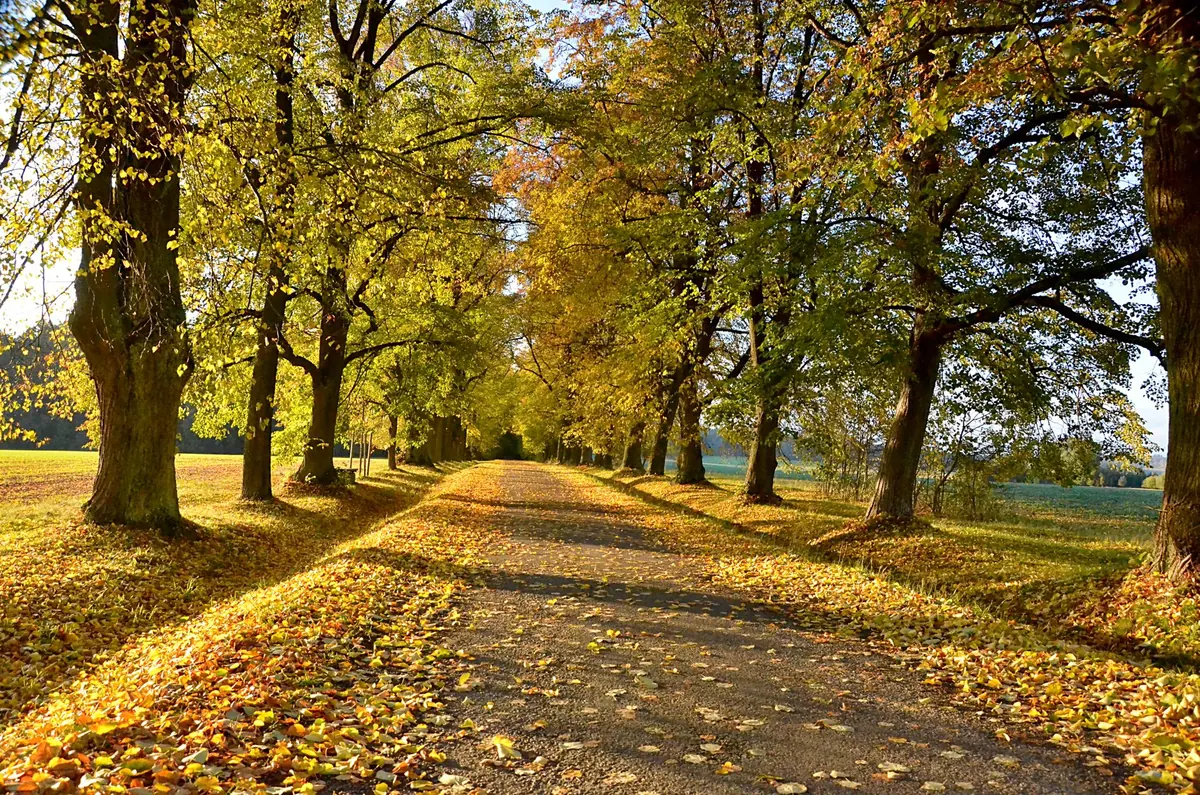
Autumn is the season writers reach for when they want a story to feel like something is ending. The instinct is sound. It is also only half the job. Weather rarely deepens a mood by itself; it deepens a mood when a character notices it, resists it, or is changed by it. A wet October afternoon means nothing until someone is standing in it, deciding whether to knock on a door they have avoided for eleven years.
What follows is a working method rather than a mood board: how to use autumn light, decay and harvest so they reinforce theme and character instead of decorating the page.
The Light Does More Work Than the Leaves
Autumn's most underused feature is not foliage. It is the angle of the sun. From September onwards, light arrives low and sideways, so shadows are long all day rather than only at golden hour. Colour drains slowly. Mornings stay dark, afternoons collapse early, and the blue hour stretches out to meet the evening.
All of that is pressure on your characters. Less daylight means less time to do the thing they have been putting off. A low sun through a window picks out half a face and leaves the rest in shadow, which is useful when someone is telling a partial truth. Shadow falling across a field at noon tells the reader the day is already running out.
Be precise about direction and hour. "The sun was setting" is inert. "The sun had dropped behind the ridge an hour ago; the kitchen was lit only by the fridge and the strip light over the sink" gives you a mood, a room and a kind of life in one sentence.
Decay That Belongs to Someone
Rot, rust, mould, wet leaves going black at the edges – decay imagery is powerful and thoroughly overworked. The reason so much of it feels tired is that it is usually unattached. A rotting gate is scenery. A gate your character promised to fix in March, and hasn't, is a character flaw made visible.
That is the test. Before describing something falling apart, ask whose neglect it is. Assign it. A garden can also be carefully maintained and still dying back for winter, which reads as dignity or acceptance rather than despair – useful when you want a scene to be sad without being bleak.
Use decay as evidence
Describe the state of a place the way a detective would: what has been repaired, what has been left, what has been recently disturbed. Fresh footprints in a leaf-filled porch. A bin bag of clothes by the door. Decay becomes plot when it implies an action someone took or failed to take.
Harvest Is Not Just Pumpkins
The other half of autumn is abundance, and it carries themes decay cannot: obligation, surplus, consequence, the problem of too much. Reaping, preserving, sharing, storing. A glut of courgettes on a kitchen table. Instructions to pick the apples before the frost. Jam pans, borrowed freezers, and the neighbour who never gives anything back.
Harvest is about consequence, because you reap what you sowed – sometimes literally, sometimes in a family argument that has been growing since spring. It is also communal, which makes it useful for stories about duty, inheritance and small communities, and for the quiet dread of a crop that has to be brought in before the weather turns.
One object followed through a book can carry a whole theme: an apple picked in October, stored in a shed, forgotten, found wrinkled and soft in January.
The Sensory Kit, Kept Short
Autumn offers a huge sensory range. The trick is to choose two or three details and repeat them, rather than pouring twelve into a paragraph and hoping the mood sticks.
- Sound: the rattle of dried beech leaves, geese going over at dusk, rain on a shed roof, a handsaw, a combine working after dark, tyres on wet gravel.
- Smell: woodsmoke, damp wool, leaf mould, cider, diesel, wet stone, chrysanthemums in a bucket outside a shop.
- Touch: cold gate latches, damp cuffs, mist settling on skin, the slipperiness of wet paving.
- Taste: damsons, quince, tea gone cold, the metallic tang of a first frost.
Repeated detail is what turns description into mood. If the smell of wet wool appears in chapter two as comfort and in chapter nineteen as something a character cannot escape, it has become a motif without you ever announcing it.
Weather as Pressure, Not Backdrop
Weather earns its place when it changes what is possible. Fog closes a road. Rain forces two people into the same doorway. A hard frost kills the last of the crop on the morning the family needed it. A flood takes out the lane for three days and rearranges everyone's plans.
Try this before you write a scene: remove the weather and see whether anything breaks. If nothing does, it is decoration. If the scene collapses, you have found a lever.
Keep a weather log
Alongside your scene list, note the date, the weather and one seasonal detail. This keeps a long project consistent – readers notice green leaves in a scene set in late October – and it lets you escalate. Two weeks of rain followed by a clear, freezing night is a mood shift you have earned.
When Autumn Is the Wrong Choice
Autumn is so often chosen for endings and grief that the opposite uses stand out. A harvest can be triumphant. Decay can be a relief. October is also the month people start university, move house and take new jobs. If your theme is beginning, either pick spring, or let your character do something counter-seasonal inside the autumn: planting bulbs in wet soil, buying a bicycle, painting a room white. One such image per story is enough; two starts to feel like the writer making a point.
A Method You Can Use Today
Take one scene you are currently struggling with and run it through these steps.
- Write the emotion you want in a single word at the top of the page. Not "sad" – something like "resigned" or "hopeful".
- Choose one seasonal element that either amplifies that emotion or argues against it. Contrast is often stronger than agreement.
- Attach the element to something a character did, owns, promised or avoided.
- Draft the scene, then delete every weather adjective. Read it again. Whatever still lands was doing the work; whatever vanishes was never carrying weight.
- Log the date and weather in your scene list so the season advances properly across the book.
Autumn rewards attention because it is always changing in plain sight. Walk outside for ten minutes and note what is actually happening – the smell of a drained pond, a coat that is not quite warm enough yet – then put that on the page instead of the version you have read a hundred times before.
Photo: Jiří Mikoláš / Pexels
Related posts
More stories you’ll love reading